Blood Cleanup
Walls, carpets, furnishings and hard floors receive blood cleanup, with safe disposal afterward.
See blood cleanupArrange school and daycare biohazard cleanup in Lynnview for blood, bodily fluids, sharps and contaminated materials. Work can be planned outside class hours when the site and situation allow.
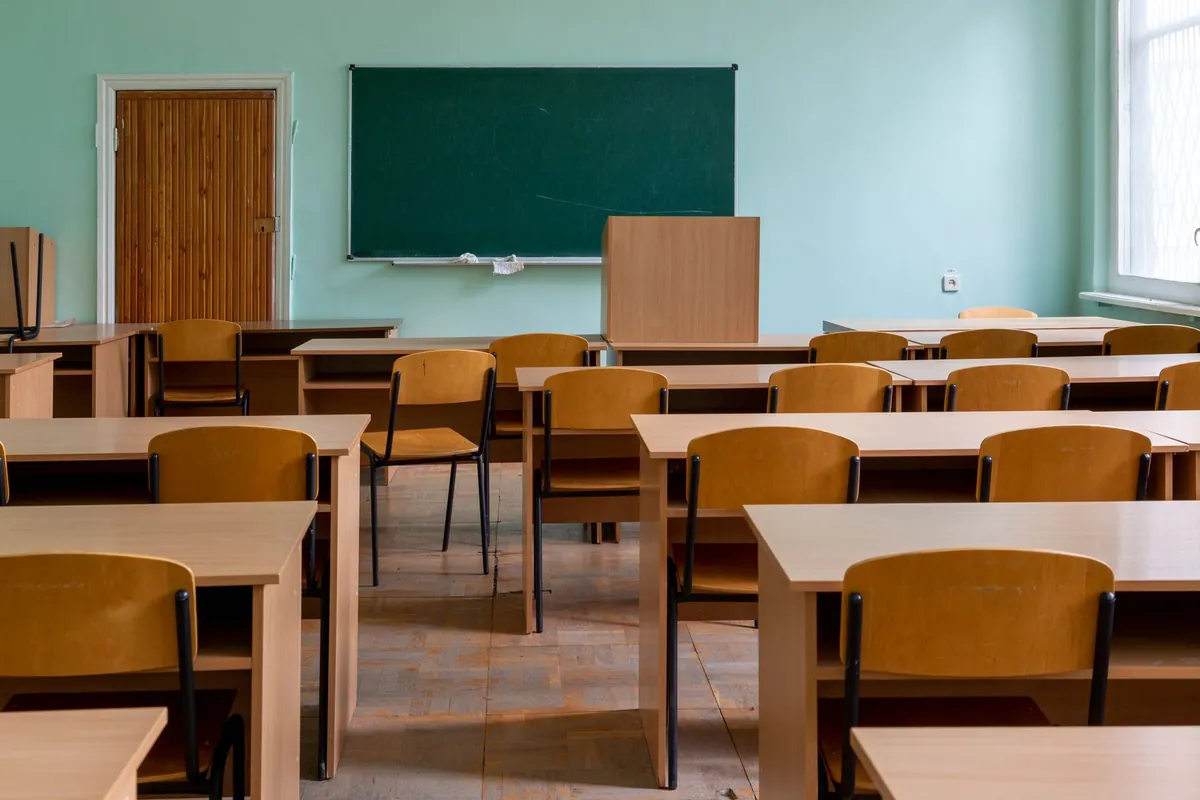
Biohazard cleanup at education and childcare properties is a controlled process for removing contaminated materials such as blood, bodily fluids and sharps, then cleaning and disinfecting the affected space.
This work goes beyond routine janitorial cleaning. The cleanup process begins by defining the affected area and protecting surrounding areas. Trained technicians then remove waste, clean visible soil, disinfect hard surfaces for the contact time on the product label and check materials that may have absorbed contamination.
A cleanup may be necessary in learning rooms, school buses, bathrooms, dining spaces, nurse offices, staff rooms or buildings near a playground. The required scope is shaped by the event itself, which materials were exposed and where fluids spread. Administrators can manage building security and confidential student information while choosing the safest time for the full process.
The plan shows you every room that remains closed and separates materials for cleaning from those considered for removal.
Administrators, property owners and insurance companies can receive organized copies of available disposal records, photographs and the agreed work scope.
Personal property, student backpacks and teaching materials may be kept apart for the designated school contact to assess, avoiding any unapproved movement.
To protect privacy for families, students and employees, crews may use unmarked vehicles and screen the cleanup space from view.
School biohazard cleanup services are appropriate when routine custodial methods cannot safely address the amount, location or type of contamination. Cleanup involves careful control of affected areas so contamination is not carried into occupied rooms. Common situations include:
Children remain away while the closed rooms undergo scheduled disinfection and cleaning.
Urine, vomit, feces or other bodily fluids reach absorbent materials or spread beyond a minor isolated spot.
An injury involving a student, staff member or visitor leaves blood on walls, floors, desks, playground equipment or absorbent materials.
Bodily fluids affect hard surfaces, seats or floors, creating a risk that drivers or students could track residue elsewhere.
Begin by protecting students and staff, keeping private information secure and preventing material from moving elsewhere. Initial decisions should follow the school's emergency plan. Before the cleaning team starts:
Call (888) 440-9227Published cost guides do not list a school-specific range. For general biohazard cleanup, Fixr lists a typical national range of $3,000 to $5,000 and a broad published span of $1,500 to $25,000. Yelp lists $1,800 to $4,500 for residential work, while the BioRecovery cost guide lists $2,500 to $8,000 for most residential projects. A school price depends on the affected area, materials, waste and access needs.
These national ranges are taken from published cost guides, rather than a property visit. You learn what your property will cost after the on-site assessment and before any work begins.
Ask about cost: (888) 440-9227A commercial property or liability policy may cover school biohazard cleanup, but coverage depends on the event, the policy and the deductible. The school, district, daycare operator or property owner should report the incident and ask the insurance company what records are required to move forward.
Confirm whether your property policy covers the source of the incident as well as cleanup afterward. Write down your claim identifier and all directions from the adjuster.
A daycare lease may divide responsibility between the operator and property owner. If responsibility is unclear, check the lease and contact both insurance companies.
Contact the insurance company for instructions before materials are thrown away. Documentation of the loss may include pictures, invoices, waste paperwork and a description of the completed work.
Homeowners or renters insurance is usually the first place to ask about cleanup costs. After a death the estate often pays, and in a rental the owner usually arranges the cleanup.
The school biohazard remediation process follows a controlled order. Trained professionals plan every step around the affected area, building access and the need to keep students and unauthorized staff away.
Before work starts, cleanup technicians locate obvious contamination and absorbent materials while checking surrounding rooms, potential tracking routes and limits on privacy or access.
Barriers and signs keep people outside the work area, while designated clean routes allow equipment and waste to move safely.
Workers use protective equipment suited to the hazard. Using suitable implements, the crew collects needles or other sharps for placement in puncture-resistant containers.
When disinfection cannot reach the entire material, affected carpet pad, unfinished lumber, ceiling tile, soft toys or comparable items are removed and separated for disposal.
Disinfection follows removal of all obvious material. Cleaning of solid surfaces progresses carefully from areas with less contamination toward those that are more affected.
EPA-registered disinfectants are applied to compatible surfaces and remain wet for the full contact time stated on the label.
Contaminated materials are contained, identified and moved away from student areas, with disposal following the state and local rules that apply.
The school representative checks that the agreed work is complete, and any requested photos, waste paperwork or supporting documents are prepared for recordkeeping.
Phone any hour. A specialist in school and daycare biohazard cleanup takes your call, explains each step and agrees on a start time with you.
Serious health risks may come from bodily fluids, blood or contaminated sharp objects. Addressing them requires protective gear, controlled cleaning procedures and proper care when discarding waste.
Children frequently put their hands on toys, flooring and common surfaces. Restricting the affected area limits spread by stopping footwear, hands and movable property from taking residue elsewhere.
Broken affected materials and discarded needles pose puncture hazards. Place sharp objects in an appropriate sharps container, while packaging remaining biohazard waste according to relevant disposal rules.
Blood may contain HIV, hepatitis C or hepatitis B. Dried blood must still be treated carefully because the CDC states that hepatitis B can live on surfaces for at least seven days.
Can you clean it yourself? When permitted by the exposure control plan, a worker with training can use protective equipment to clean a small spill confined to a firm, non-porous surface, applying disinfectant that is EPA-registered for the full contact time on its label. Seek professional cleanup if affected material is absorbent, the boundaries are uncertain, sharp objects are present or the situation is beyond what the facility can address safely.
Non-porous school surfaces can often be cleaned and disinfected. Porous materials may need removal when fluids soaked in and cannot be reached safely. Restoration services may be needed later to replace removed flooring, walls or fixtures.
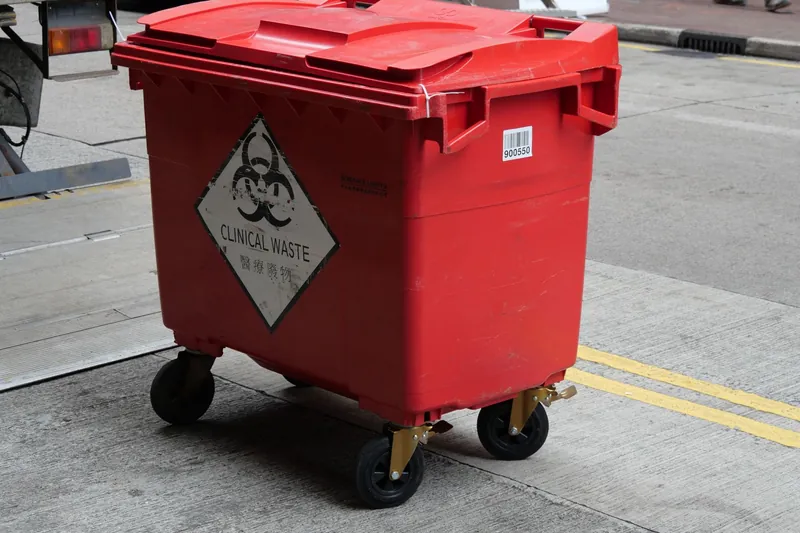
Possible occupational exposure to potentially infectious materials or blood brings workplace requirements under 29 CFR 1910.1030, the OSHA Bloodborne Pathogens Standard.
Use an EPA-registered disinfectant that fits the organism and surface, and follow the label for dilution, safe use and full contact time.
Kentucky has no single medical waste agency. The Energy and Environment Cabinet's Division of Waste Management permits medical waste transfer stations, and most landfills accept this waste only after treatment, so it should not go in household trash.
Local health and building rules can affect how a contaminated room is cleaned and when it can be used again, so mention any notice you have received from the city or county. If an authority controls the area, cleanup should wait until that authority releases it.
The time depends on the affected area, surface types, waste volume and when the building can be accessed. A limited hard-surface cleanup is shorter than work that requires removing carpet, wall material or furniture. The school contact should approve access before students or staff return to the closed area.
The full school and daycare biohazard cleanup guide covers what is cleaned or removed, odor and air quality work, and the rules that apply in Kentucky and Jefferson County.
Read the full school and daycare biohazard cleanup guideLocal population patterns, housing and site access may affect how containment and cleanup are planned.
Because renter occupancy is 11.1%, cleanup discussions often can focus on the household without a separate property manager involved.
The 1955 median build year matters because fluids can travel through seams in older flooring and reach the subfloor.
The local count of seniors living alone is 94, so a cleanup plan may need input from someone managing the home remotely.
In an area with 98.2% single-family housing, sewage or fluids may reach lower levels through stairs, drains, and utility openings.
Your phone conversation can include questions about service in nearby ZIP codes and communities.
Walls, carpets, furnishings and hard floors receive blood cleanup, with safe disposal afterward.
See blood cleanup
Cleanup that controls hepatitis B, hepatitis C and HIV exposure from blood.
See bloodborne pathogen cleanup
Homes, care environments and businesses receive bodily fluid cleanup and disinfection.
See bodily fluid cleanup
Disinfection after vomit cleanup keeps norovirus and other germs from spreading further.
See vomit cleanup
Rentals, residences and public bathrooms receive human feces cleanup and disinfection.
See human feces cleanup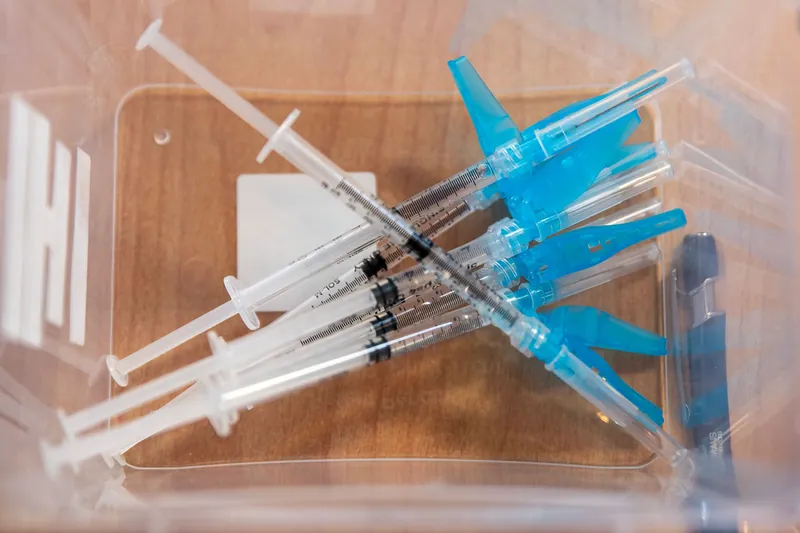
Yards, encampments, parks and rental properties receive needle and sharps cleanup.
See needle and sharps cleanup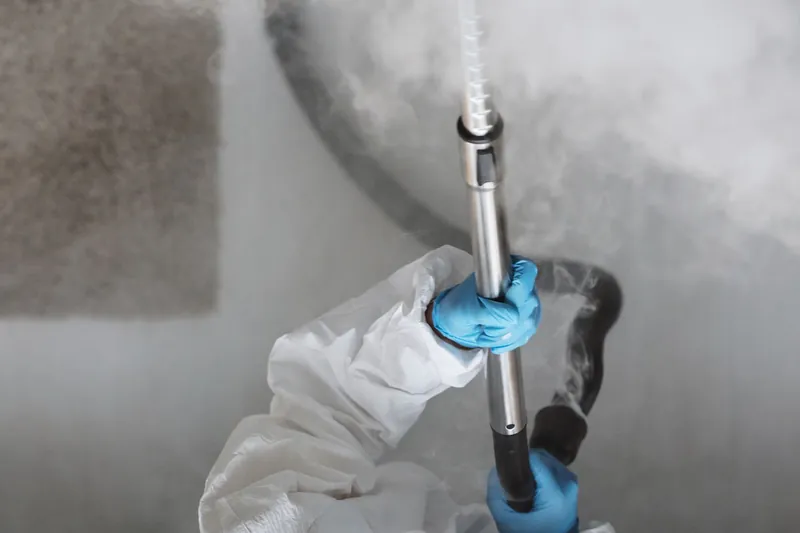
Disinfection for infectious disease uses EPA-registered products with complete coverage of surfaces.
See infectious disease disinfection
Biohazard waste pickup and disposal in sealed, labeled containers.
See biohazard waste disposalWorkers can often disinfect and retain sealed tile along with suitable surfaces made from plastic, glass or metal. When liquid penetrates, absorbent items such as carpet padding, bare lumber and ceiling panels might have to be taken out. Before selecting how to clean them, separate personal property, electronic devices and student files for individual evaluation.
Keep children and adults away, and do not pick up, bend or recap the needle by hand. Using suitable tools, a trained individual transfers the item straight to a sharps container designed to resist punctures. The sharps container is discarded under applicable state and local rules.
Available published guides contain no separate cost range for schools. Wide price spans appear in guides for general biohazard cleanup because affected spaces, material types, porous surfaces, access needs and waste volumes differ. Final pricing depends on an assessment that establishes the work required at the school.
Professional cleaning is appropriate for a needle, impact to carpeting or furniture, contamination without clear limits, anything beyond a limited non-porous area, or circumstances exceeding the school's exposure control procedures. While the administrator determines the extent and coordinates an appropriate next step, make sure school personnel and students stay away.
Coverage may apply. The incident, deductible and details of the business property or liability coverage determine whether the claim is covered. Notify the insurer, retain the claim number and find out what documents your adjuster requires. When the childcare business rents the facility, you may have to notify both its owner and the daycare operator.
No standard duration applies to all schools. Cleaning one limited non-porous spot requires less effort than addressing affected walls, furnishings or carpet across multiple rooms. The timeline also depends on facility entry, waste removal and any needed repairs. The room should remain off limits pending reopening approval from your designated school contact.
You can request respectful, discreet school and daycare biohazard cleanup 24 hours a day, and crews use unmarked vehicles.